
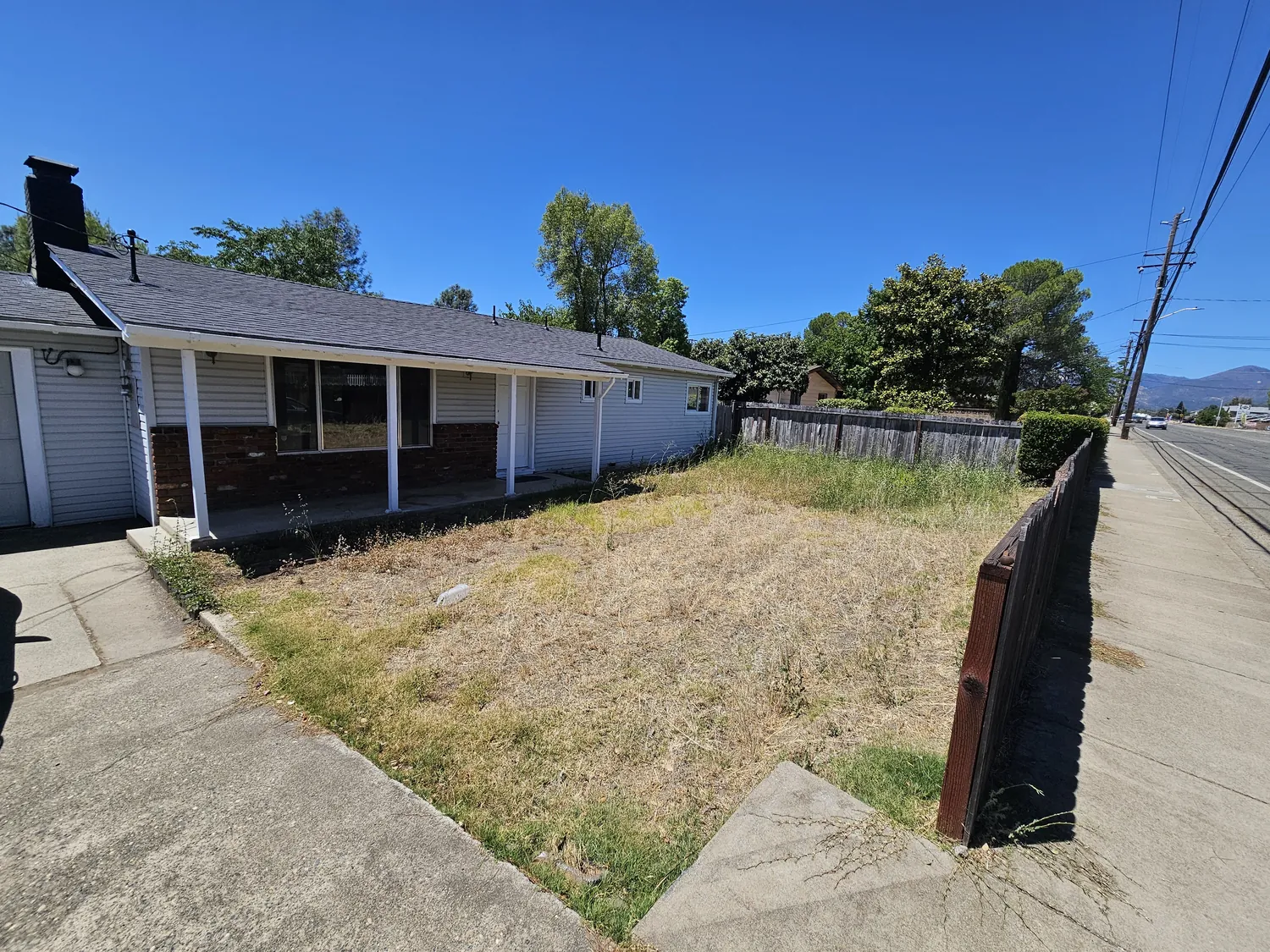
Can defensible space lower your fire insurance in California?
Yes. Under California’s Safer from Wildfires regulation, insurers have to recognize wildfire mitigation in their pricing, and defensible space compliance is one of the qualifying actions. The FAIR Plan’s published discounts run up to 16.4 percent on dwelling fire policies for hardened homes. The exact number varies by carrier, so the discount conversation starts with your agent and the state’s 10-step list.
For homeowners around Redding paying some of the steepest fire premiums in the state, that list is worth reading closely. Most of it is work you control, and the biggest single item on it is the defensible space around your house.
What is Safer from Wildfires?
Safer from Wildfires is a framework the California Department of Insurance built with the state’s emergency readiness agencies. It defines wildfire protection in three layers: the structure, the immediate surroundings, and the community. The insurance regulation behind it requires insurers to file rates that recognize this mitigation, which is what turned a safety checklist into a pricing lever.
The department’s own line is plain: every action under the program qualifies for a discount, and doing more saves more. What it deliberately does not publish is a fixed statewide percentage. Each carrier files its own credits, which is why two neighbors with identical work can see different savings.
Which actions earn the discount?
The 10 steps split into structure hardening and the ground around the house:
| Layer | Qualifying action |
|---|---|
| Structure | Class-A fire rated roof |
| Structure | 5-foot ember-resistant zone, including fencing |
| Structure | Ember- and fire-resistant vents |
| Structure | Noncombustible bottom 6 inches of exterior walls |
| Structure | Enclosed eaves |
| Structure | Upgraded, multi-paned windows |
| Surroundings | Defensible space compliance |
| Surroundings | Cleared vegetation and debris under decks |
| Surroundings | Combustible sheds and outbuildings moved at least 30 feet out |
| Community | Recognized community-level fire safety programs |
Notice how much of the surroundings layer is clearing work. Defensible space compliance means the full 100-foot standard: dead vegetation out, grass down, brush thinned, and the first 5 feet around the house kept bare of combustibles. What that work costs to hire out is covered in our defensible space cost guide, and the legal requirements themselves in the California defensible space rules.
What does the FAIR Plan actually give?
The FAIR Plan, the state’s insurer of last resort and a common landing spot for high-risk rural properties, introduced wildfire mitigation discounts in 2023. Its qualifying criteria track the Safer from Wildfires list: defensible space compliance, cleared vegetation under decks, combustible outbuildings moved out to 30 feet, plus the structural items like a Class-A roof and the 5-foot ember-resistant zone including fencing.
The FAIR Plan’s discount materials list up to 16.4 percent on dwelling fire policies and 13.8 percent on commercial policies for qualifying properties. Treat those as published figures, not promises. Filings change, and your broker can confirm what applies to your policy today.
One honest caution: skip the round numbers you see on marketing blogs. The insurance department publishes no fixed percentage, and figures like “21 percent off” floating around the internet don’t trace to any carrier’s filing we could verify.
How does the new Zone 0 rule connect?
On August 19, 2026, the state Board of Forestry approved Zone 0 regulations for the first 5 feet around structures in the state’s high fire-risk areas. They are in final administrative review, with phased compliance for existing homes once effective. The full breakdown is in our Zone 0 guide.
The insurance connection is direct: a 5-foot ember-resistant zone is already a discount-qualifying step under Safer from Wildfires, and it sits at the core of the new rule. Homeowners who do the work now get the discount eligibility first and the regulatory compliance early, one job instead of two.
How do you actually claim it?
Three moves. First, do the work and document it: dated photos, invoices that describe the clearing, and any CAL FIRE defensible space inspection paperwork. CAL FIRE’s Shasta-Trinity Unit runs inspections on a rotating cycle around here, and passing one is useful evidence. Second, call your agent and ask specifically which Safer from Wildfires credits your carrier has filed. Third, if cost is the blocker, Shasta County has real help: the Fire Safe Council’s free chipping program takes the piles, and the Western Shasta RCD runs a free defensible-space program for qualifying owners, including seniors, veterans, and low-income households.
We handle the clearing side: hand-crew defensible space to the CAL FIRE standard, the kind of work you can photograph, document, and hand your agent. The estimate is free and written, which is one more piece of paper for the file.
Call or text (530) 238-5077. Free written estimates anywhere within 50 miles of Redding.