
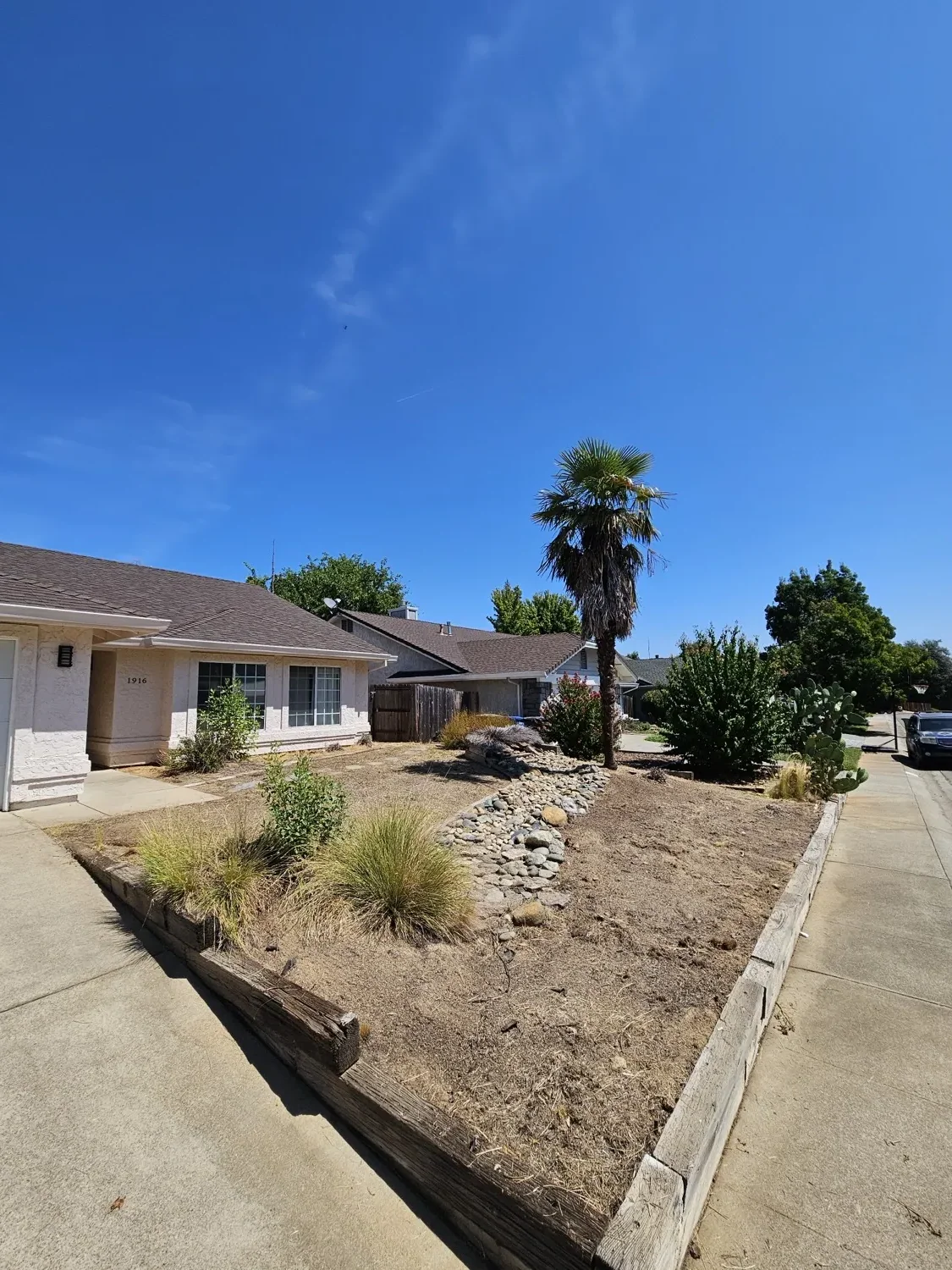
What do California’s new Zone 0 rules mean for your home?
On August 19, 2026, California’s Board of Forestry unanimously approved Zone 0 defensible space regulations: first-in-the-nation rules for the 5 feet immediately around structures in high fire-risk areas. They ban combustibles like firewood, mulch, and dead vegetation in that strip, phase in over 3 to 5 years for existing homes, and apply to roughly 2 million structures, including much of rural Shasta County.
The rules are not law quite yet. The package still passes through the Office of Administrative Law with a short public comment window, and officials estimated that review would finish in early September 2026. But the shape is settled, six years after the Legislature ordered it, and homeowners here should know what’s coming. This is the innermost band of the defensible space system, not a replacement for the 100-foot standard that already applies.
Why the first 5 feet?
Embers. Research and field experience keep pointing at the same failure: wind-driven embers land in the strip right against the house, ignite something small, and the flame walks into the wall, deck, or vent. The board calls Zone 0 the most critical zone for protecting a home during a wildfire, and Redding needs no reminder of what wind-driven fire looks like after the Carr Fire pushed into town in 2018.
That is why the rules are so specific about small things. A bark mulch bed reads as landscaping in May and as a fuse in August.
What has to change in the zone?
Once the rules take effect, and inside the phase-in windows, the 5-foot zone around structures in covered areas needs to look different:
| In Zone 0 | The rule |
|---|---|
| Firewood, lumber piles | Out of the zone |
| Bark mulch, wood chips | Out; noncombustible ground cover like gravel or stone instead |
| Dead leaves, branches, dead or dying plants | Removed, roofs and gutters kept clear |
| First 1 foot against the wall, or to the eave drip line | No plants at all |
| Within 2 feet of windows, doors, and vents | Cleared of plants |
| Within 5 feet of attached decks | Cleared of plants |
| Grass | Allowed, mowed to 3 inches |
| Maintained herbaceous plants | Allowed in spaced groupings in the outer zone |
| Potted plants | Movable, spaced, under about 18 inches tall |
| Trees | Existing trees stay, trimmed: 5 feet above the roof, clear of eaves, no branches within 10 feet of a chimney. No new trees in the zone |
| Wooden sheds and outbuildings | Noncombustible roofs and walls required in the zone |
| Fences and gates | 5-foot noncombustible span where attached to the home; no new combustible fencing within 5 feet |
The final version is looser than early drafts. Pushback over costs and mature landscaping bought real flexibility: maintained plants can stay in parts of the zone, local governments can tailor rules, and the board says implementation leads with education, not penalties.
Who is covered, and when?
Coverage follows the fire hazard maps: the State Responsibility Area, where CAL FIRE answers the call, and Very High Fire Hazard Severity Zones inside city and county jurisdictions. Around here that captures most of the rural county: the oak-and-grass country toward Palo Cedro, Millville, Cottonwood, Igo, and the wildland edges of Redding. CAL FIRE’s severity zone map settles any address.
The clock runs in phases once the rules are official. New construction complies immediately. Existing homes get up to 3 years for Phase 1, clearing the combustibles, dead material, and vegetation issues, and up to 5 years, on locally set timelines, for Phase 2 items: the under-eave zone, combustible gates, sheds, and fencing. Early is better than deadline-shaped, partly because the 5-foot ember-resistant zone already earns insurance credit under the state’s Safer from Wildfires program, covered in our insurance discount guide.
What should Shasta County owners do now?
Nothing about Zone 0 waits well. The work it demands, clearing dead vegetation, cutting grass, stripping fuel out of the strip against structures, is the same work the existing 100-foot law and the county’s own defensible space rules already expect, tightened to the 5 feet that matter most. Doing it now means compliance later is a maintenance pass, not a project.
Our crews handle the vegetation side of Zone 0 by hand: dead plants out, grass down, brush cut away from walls, decks, and propane sets, and everything hauled off, with care around the plants that can stay. Fence sections and roof materials are a contractor’s trade. The green part is ours.
Call or text (530) 238-5077. Free written estimates anywhere within 50 miles of Redding.